
Speak proper English.
I heard this a lot as a kid. So much so it became something to live up to. I worked on it, adopting the clipped proper English spoken by some of my relatives (influenced by the British-imports in my family no doubt) and pushing down the Hawaiian, pidgin, Portuguese and everything else accents I grew up with.
Pidgin does have regional dialects, influences from island to island. I grew up on O’ahu but most of my family is from the Big Island… country side so I heard that a lot. I can slide into a deep pidgin. I know that. I also tend to drift into a casual pidgin when speaking with other locals or friends from Hawai’i. It’s not a habit. It’s more like a comfort food… like a mental loco moco. Easing back into that lingual shift.
As I got older, I realized I was in the same boat as many First Generations Americans (technically I’m First Gen because Hawai’i became a state only a few years before I was born.) We FGAs are told in order to be truly American… to REALLY succeed… we must sound for all intents and purposes, Upper Class White.
Common thing. Many regional and cultural accents are discarded / repressed in favour of this proper English. We’re told we’re stringing the words together wrong, speaking “trash” and in the words of Mrs. Brennan, my sixth grade teacher from Minnesota; “You sound like a grunting monkey. Speak English.”
I was speaking pidgin to someone at the time, outside of class and certainly not to her.
I hate that regional dialects / vernaculars are being suppressed and ridiculed. It angers me when someone says; Oh that person talks like they’re from the ghetto / they sound stupid like they don’t know how to speak. You know what? They’re speaking from where they are from. There should be no shame in that. And yet, here we are. Mocking how someone speaks.
But I understand. I hate that I do. I hate that we still have to smooth over how we speak in order to “pass” our English off as proper.

I do code-switch a lot. I have also been shamed for doing so. Even by some of my closest friends (usually when visiting an Asian restaurant) and I’ve sat back and listened to their words in my head, trying to understand where that comes from… why the shaming… why the discomfort or mockery of the “Asian half-English / pidgin” I’ll fall into when speaking to people I feel comfortable conversing using it.
There’s a struggle for me in understanding why. Is it like maybe speaking in a foreign language they don’t understand? Is it because they have no other base language? Or do they not understand that pidgin really IS my base language and my words are not strung together like English is. That it’s comfortable for me to slide into pidgin and I should never be made to feel ashamed for using it.
Because I will not be shamed for refusing to be erased.
See that’s what I feel when I hear someone say; Speak Proper English. Like I’m being shamed for interacting in a way that’s beneath them. Beneath their notice. I get all the perks you get for speaking English in the way it was constructed. I do. I also feel white-washed at times and tired of fighting to keep that English foremost and front-facing in my mind. Sometimes I just want to let go of the pronouns and syntax and clack-clack-clack of its rhythm and go back to the bubble-pop of my native sounds.
I worry we’re losing our muchness of who we are. Of where we came from. Of the us-ness we have right in our family because it’s frowned upon to speak anything other than “proper English” in order to pass in America as… a citizen. As if our skin colour or our facial features weren’t enough to be ashamed of, our language will mark us as foreign, as undesirable. Erase our names, erase our accents, erase our language… that’s what our parents and grandparents taught us.
I say we should never do that and yeah, I think if someone says something to me again about code-switching — even if it is someone I love dearly — I will gently correct them. Hopefully gently. English isn’t my first language and I’m not going to be made to feel less because I go back to my origins in order to speak to someone. I do lose English periodically. There are times when I am so tired I can’t even string together the words I need much less remember stuff like modifiers. It happens. I’ll even say that. Lost my English. Sorry. And it’s more of a… sorry if you didn’t understand me but not sorry that I’m not speaking it.
And if you have a regional accent, I would love to hear it more. I think it’s like verbal spice. We flavour our language with those tones and richness of spaces where we’re from. We don’t celebrate that enough. I want to celebrate hearing those differences.
Much rambling. More wording to do. Sleep good, okay?
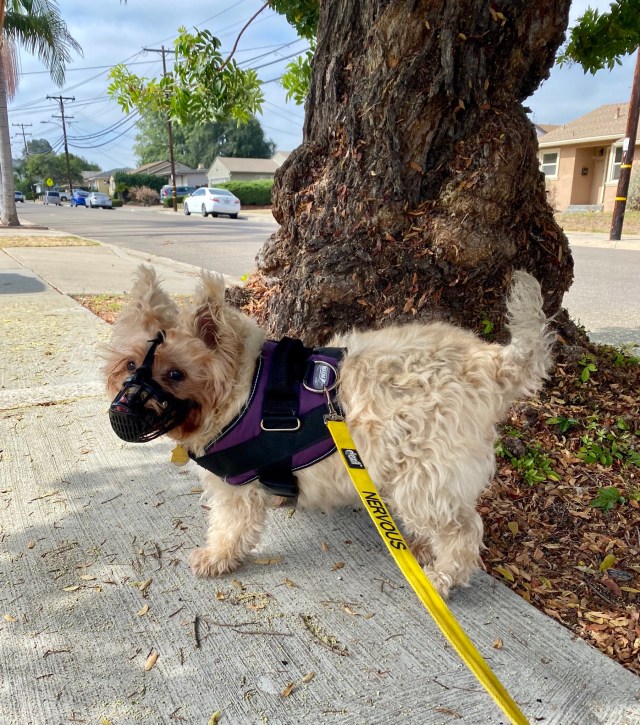



 Today’s BORKING REPORT!

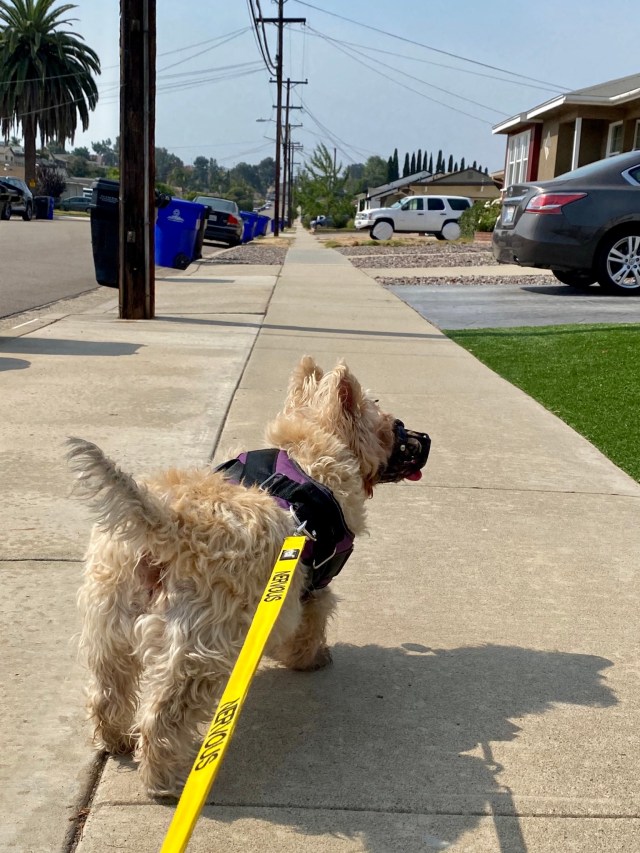


 Wolf at First Sight
 ’Nother Sip of Gin by Rhys Ford
